Private chef · Founder and brand dinners

Founder dinners, hosted at your table, not a restaurant

The best rooms in business are not conference rooms. They are twelve people around one long table, no name badges, no stage, no set agenda. Chefpost matches you with a vetted private chef who builds the menu, shops, cooks in your kitchen or your office, serves every course, and leaves it spotless. You spend the night in the conversation you booked the room for.

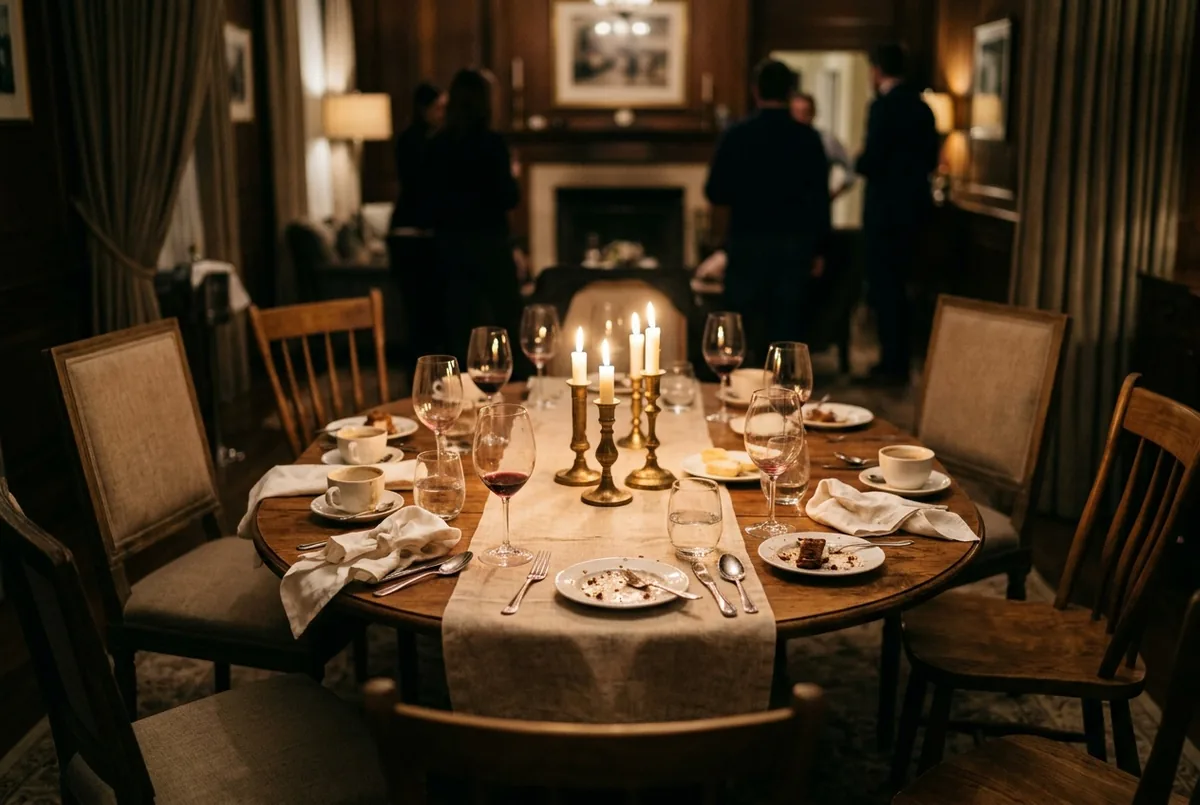
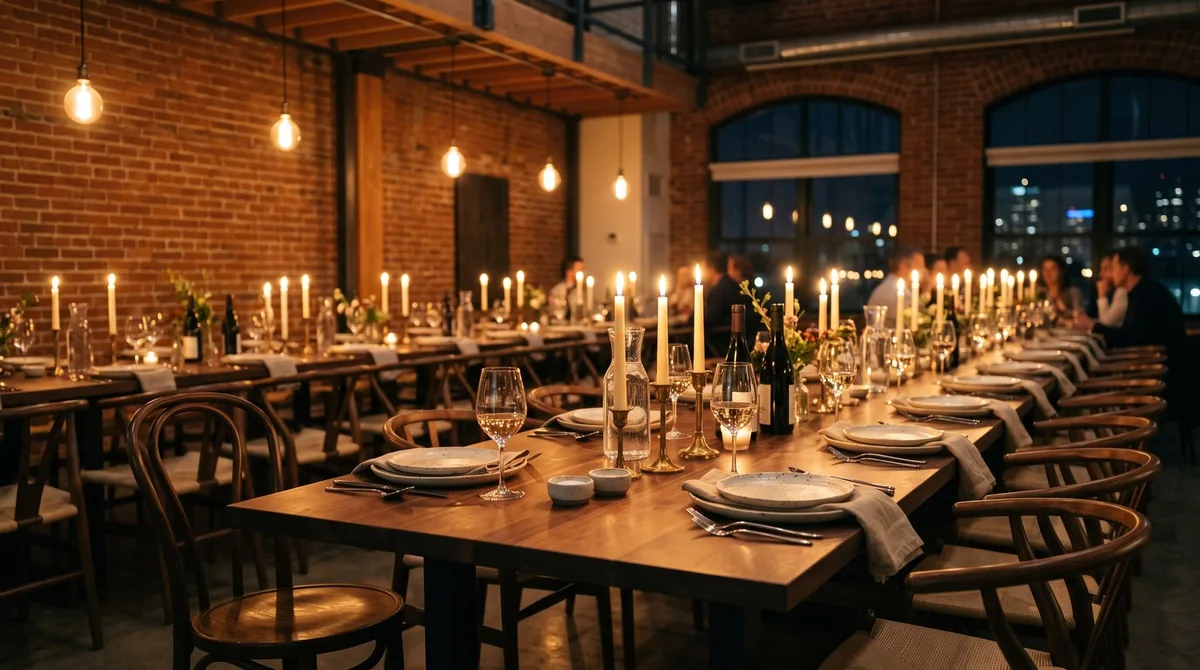
A long candlelit table set for a founder dinner in a warm loft space
A founder dinner for twelve, cooked and served in the room where it happens.
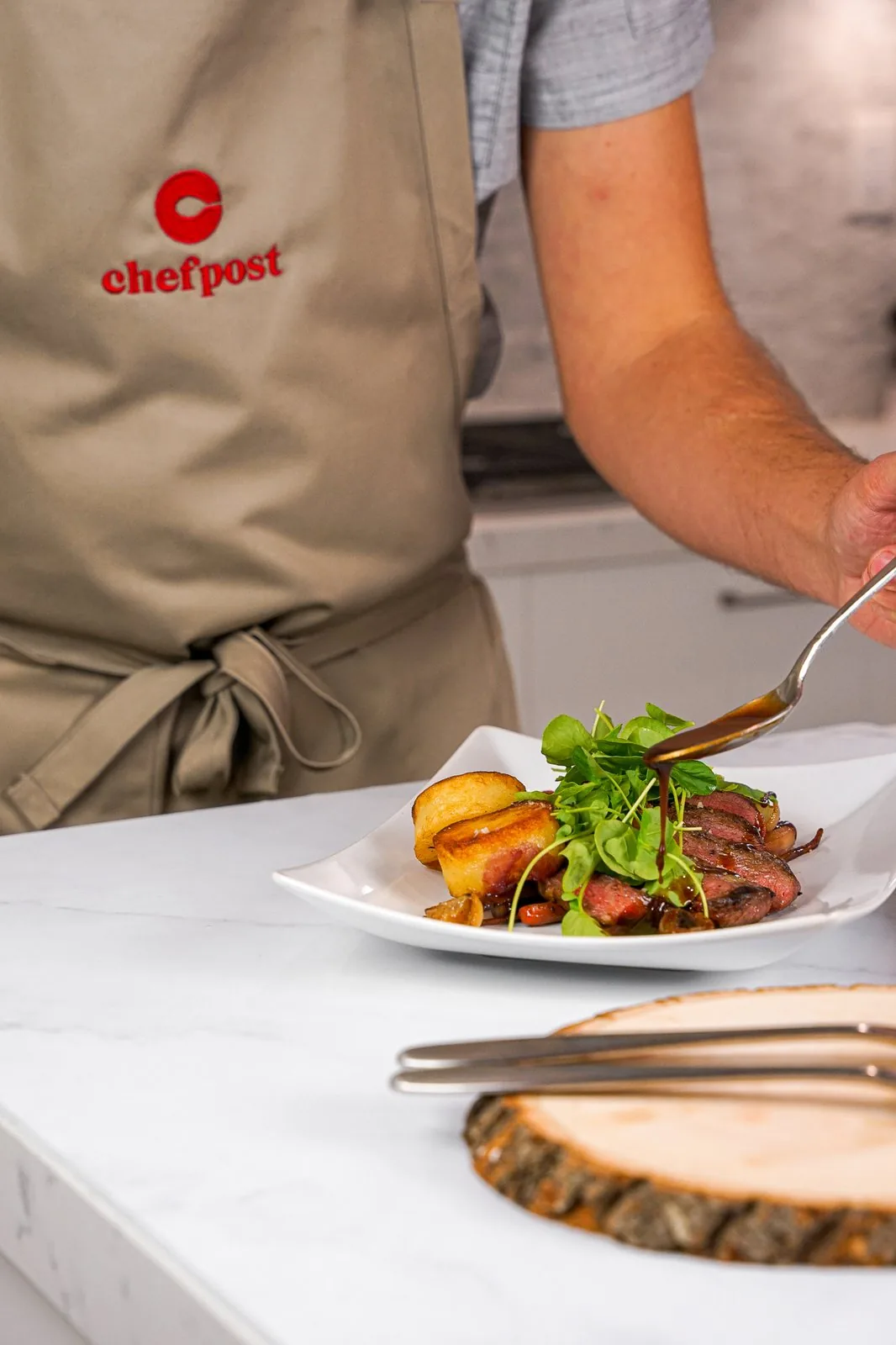
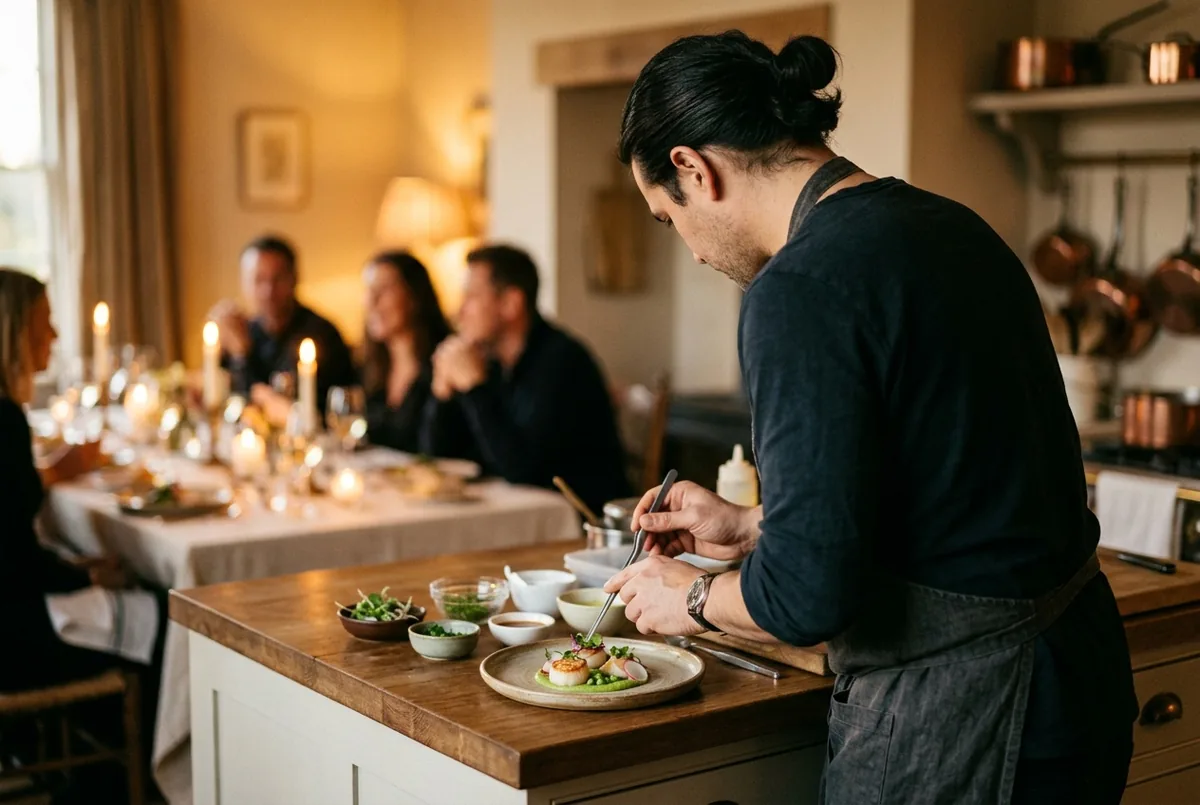
A private chef plating a course while guests talk at a candlelit table

A founder dinner is a small, invitation-only dinner that a founder or operator hosts for peers, customers, or their team, usually eight to sixteen people around one table. Budget $65 to $150 per guest with a private chef, or roughly $900 to $1,600 for a table of twelve, groceries billed at cost on top.

The format exists because the alternatives stopped working. A restaurant private room splits the table into three conversations and hands you a set menu. A conference gives you fifteen-minute hallway exchanges. One table, one conversation, three hours, and a chef who handles everything else is the thing people actually remember and answer emails about afterwards.

Chefpost is the booking layer. Every chef is background-checked, food-safety verified, and rated by hosts who booked them. You pick a date, a headcount, and a menu, and the cooking stops being your problem.

Founder dinner vs. the formats it replaces

Three things people mix up when they plan one of these for the first time.

Founder dinner vs. a restaurant private room

A private room seats your group inside someone else's operation: a fixed menu, a service window, a table shape you did not choose, and acoustics built for turnover. A founder dinner happens in a room you control. One long table keeps the whole group in a single conversation, the chef plates each course to order, and nobody is waiting on the next seating. The room is the product.

Founder dinner vs. catering

Catering arrives cooked from somewhere else and reheated. A private chef cooks in front of your guests and serves each course at its peak. At a dinner whose entire purpose is that people relax and talk, the difference is not the food quality alone, it is that the cooking becomes part of the evening rather than a delivery that shows up and leaves.

What Chefpost does here

Chefpost is a marketplace of vetted personal chefs. You browse chefs and menus, pick one who covers your city and your headcount, and book. We are not an events agency and we do not sell you a package. The chef handles menu, shopping, cooking, service, and cleanup, and you handle the guest list.

How booking a chef for your dinner works

Four steps from first message to a clean kitchen. No cooking, no shopping, no cleanup for you.

01

Tell us about the dinner

Date, city, headcount, the occasion, and any allergies or dietary needs across the table.

02

Choose a menu

Plated courses, family-style, or stations, across Latin, Mediterranean, Italian, omakase, plant-based, and seafood.

03

Get matched with a chef

We surface vetted chefs who cover your city and have run tables at your headcount, each with real reviews.

04

Host without lifting a finger

Your chef shops, cooks on site, plates every course, serves, and leaves the kitchen spotless.

Where founder dinners get hosted

The room sets the register of the evening more than the menu does.

A round table after a private dinner, guests standing and talking

A home dining table

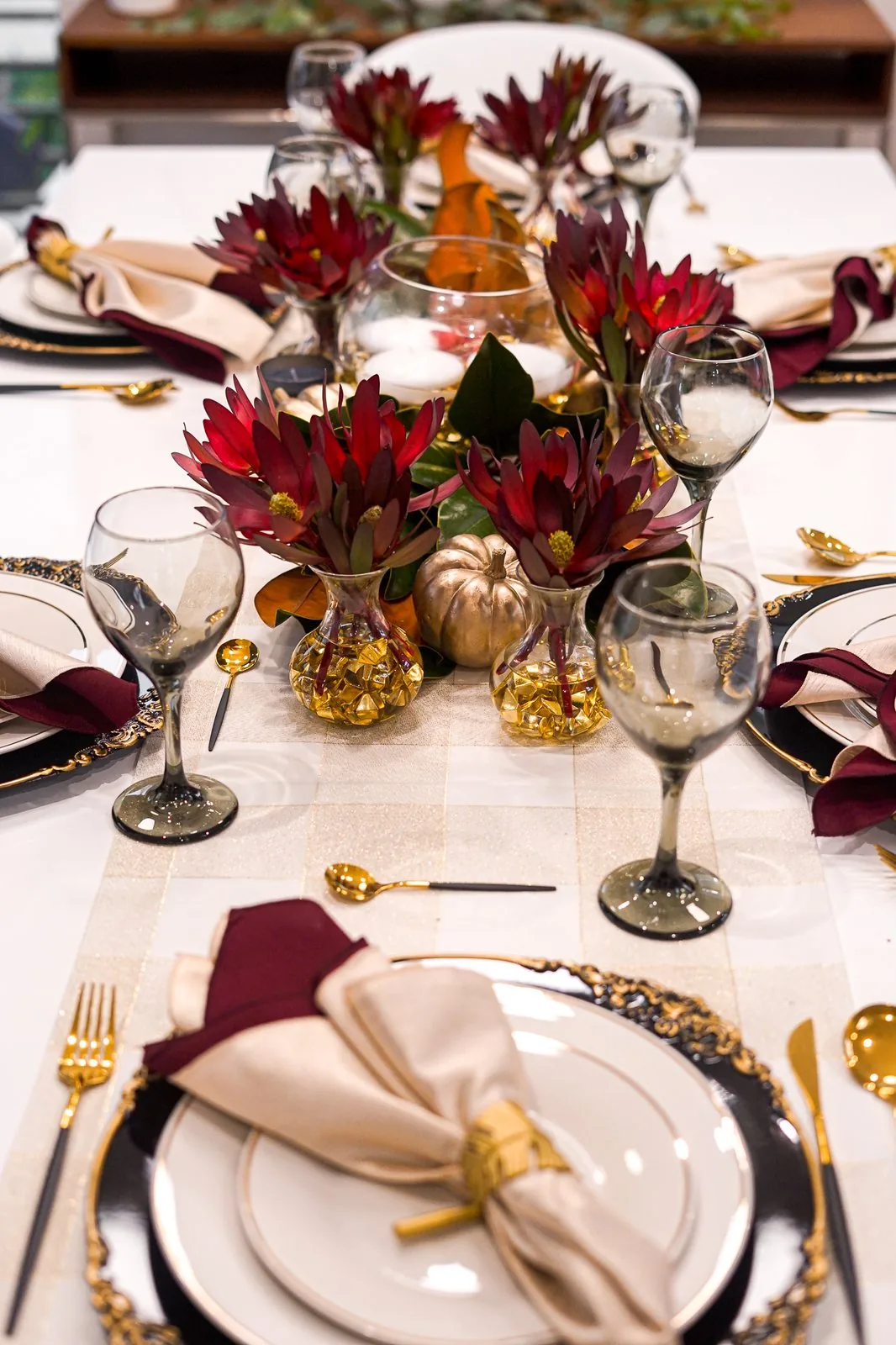
A long table set for a large private dinner

One long table for twelve

A chef plating a course in a home kitchen

An office, cleared properly

An outdoor table set for dinner in warm evening light

Outdoors, seasonally

Founder dinner cost by headcount

Real ranges from bookings on Chefpost, at $65 to $150 per guest depending on city, menu, and course count. Groceries are billed at cost on top of the chef fee.

Table sizeTypical totalWhat it usually looks like
8 guests$520 to $1,200Three courses, one chef, a home dining table. The most common first dinner.
12 guests$780 to $1,800Three to four courses, one chef plus a server on the higher end. One long table.
20 guests$1,300 to $3,000Four courses or family-style platters, a chef and support staff, an office or a loft.
30 guests$1,950 to $4,500Family-style or stations, a full chef team. Past this, it becomes an event, not a dinner.

Per-guest rates ease a little at higher headcounts because the chef's fixed time is spread further. Premium metros such as New York and the Hamptons run above these ranges. For a full breakdown by occasion and service level, see what a private chef costs.

Why this format keeps winning

An honest take from the Chefpost team on why founders keep coming back to a table.

Every founder we work with has the same story about the conference they flew to and cannot remember a single conversation from. Then they host twelve people at their own table and three of those people become the year. The reason is not the food. It is that a table with one conversation on it removes every exit a networking event gives you: no phone, no next session, no bar to drift to. What the chef buys you is the ability to be a guest at your own dinner, which is the one thing a host normally never gets.
The Chefpost team

Founder dinner formats, and what each one is for

These get used interchangeably and they are not the same thing. The guest list changes the menu, the seating, and the budget.

Founder dinners

Eight to sixteen founders and operators, no pitching, no badges. The host sets a single loose question for the table and lets it run. Usually recurring, usually the same core group with two or three new faces each time. Budget $65 to $150 per guest.

Brand dinners

A brand hosts press, partners, or creators around a product or a launch. The menu is part of the story, so the chef is briefed on the brand rather than handed a generic tasting menu. Typically twelve to twenty-five guests and a higher per-head budget than a founder dinner because the room is doing marketing work.

Client appreciation dinners

An executive or client appreciation dinner thanks the accounts that matter, with no ask attached. Ten to twenty guests, a warmer and less produced feel than a brand dinner, and the detail people remember is that dietary needs were handled without anyone having to raise it.

Business owner networking dinners

A curated table where the value is who is seated next to whom. Works best at ten to fourteen, because past that the table splits into separate conversations and it becomes a party. Often ticketed or sponsored to cover the chef.

Influencer and creator dinners

Creators shoot what they eat, so plating, light, and the table itself carry more weight than at any other format. Smaller tables, eight to fourteen, and a chef comfortable with courses that hold up on camera and to a slower service pace.

Team dinners and executive dinners

A leadership offsite or a team dinner that is not a restaurant reservation for eighteen. Hosting it in a home or an office changes the register: people talk across levels in a way they do not in a private dining room. Peaks in September and December.

Supper clubs and dinner clubs

A supper club is a recurring dinner, usually ticketed, hosted in a private home rather than a licensed restaurant, where guests often do not know each other beforehand. A dinner club is the same idea with a fixed membership. Both live or die on the chef, because the food is the reason strangers paid to sit together.

Community dinners

Larger and looser, twenty to forty people, family-style platters instead of plated courses so the food keeps moving and nobody is served last. The chef's job shifts from precision plating to volume and timing.

How to host a founder dinner, start to finish

The dinners that work are planned around the conversation, not the menu. The menu is what makes the conversation possible.

Start with the guest list and the number, in that order. Eight to twelve is the range where one conversation holds. At fourteen it starts to split, and by twenty you are hosting an event with a different job to do. Decide which of those you actually want before you book anything.

Pick the room next. A home dining table beats an office almost every time, because people behave differently when a room is not a workplace. If it has to be an office, get the group off the conference table and onto one long surface with real chairs.

Then book the chef, four to six weeks out for a weekday dinner and longer in September and December, which are the two peaks. Give the chef the guest count, the dietary needs, and one line on what the evening is for. A chef cooking for a creator dinner and a chef cooking for a client appreciation dinner should not be making the same menu.

On the night, the host's only job is the table. No slides, no round of introductions that eats the first hour, one question to open with. The chef shops, cooks, serves, and cleans, which is the whole reason this format is hostable by someone who also has a company to run.
Founder dinners are a good fit when

The format is specific. It is not the right call for every gathering.

  • You want eight to sixteen people in one conversation, not a room working a crowd.
  • The guest list is the point, and you would rather curate ten seats than fill fifty.
  • You are hosting recurring dinners and need the quality to be the same every time.
  • Your guests have dietary needs you would rather handle quietly than negotiate at a restaurant.
  • You want to host without spending the evening in the kitchen or on your feet.

It is probably the wrong format when

  • You need forty or more people in the room, which is catering and an event, not a dinner.
  • The goal is volume of introductions rather than depth, where a mixer does the job better and cheaper.
  • You need it this week in December, the single hardest slot in the calendar to staff.

Host your first founder dinner

Tell us your city, your date, and how many seats. We will match you with vetted chefs who have run tables at your headcount, with real menus and real reviews.

Founder dinners: frequently asked questions

What hosts ask us before booking their first one.

What is a founder dinner?
A founder dinner is a small, invitation-only dinner hosted by a founder or operator for peers, customers, or their team, typically eight to sixteen guests around a single table in a home or private space rather than a restaurant. There is usually no agenda, no presentation, and no pitching. The host sets the guest list and one opening question, and a private chef handles the food so the host can stay at the table.
How much does a founder dinner cost?
With a private chef from Chefpost, budget $65 to $150 per guest. That works out to roughly $520 to $1,200 for a table of eight, $900 to $1,600 for twelve, and $1,300 to $3,000 for twenty. Groceries are billed at cost on top of the chef fee. Premium metros such as New York and the Hamptons run above these ranges.
What is the difference between a founder dinner and a brand dinner?
A founder dinner is hosted by a person for peers, and its value is the conversation. A brand dinner is hosted by a company for press, partners, or creators around a product or launch, so the menu is briefed to support a story and the per-head budget is usually higher. Brand dinners also tend to run larger, twelve to twenty-five guests, where founder dinners work best at eight to sixteen.
What is a supper club?
A supper club is a recurring, usually ticketed dinner hosted in a private home or a non-restaurant space, where guests frequently do not know each other before they sit down. A dinner club is the same format with a fixed membership rather than open tickets. Both differ from a founder dinner in that guests typically pay to attend and the chef, rather than the guest list, is the draw.
How many people should a founder dinner have?
Eight to twelve is the range where the whole table can hold one conversation. Fourteen is the practical ceiling before the table splits into separate groups, and past twenty you are hosting an event with different mechanics: family-style service, support staff, and a room rather than a table.
How far in advance should I book a chef for a founder dinner?
Four to six weeks is comfortable for a weekday dinner. September and December are the two peaks, driven by team dinners and client appreciation dinners, and those book out furthest ahead. Smaller weekday tables can sometimes be arranged with a week or two of notice.
Can a private chef cook at my office instead of a home?
Yes. Chefs on Chefpost regularly cook in offices and event spaces. They bring their own tools and plan the menu around the equipment on site, so a kitchenette is usually enough. The bigger constraint is the furniture: get the group off a conference table and onto one long surface with proper chairs.
Which cities can I book a founder dinner chef in?
Chefpost covers Miami and South Florida, New York City and Long Island, New Jersey, Atlanta, Austin, Houston, and Dallas, with the deepest chef availability in Miami and New York. See every market on our locations page.